







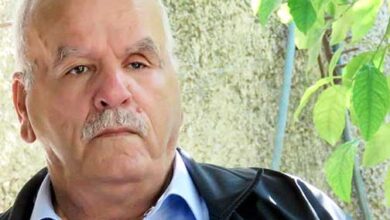
الخوري طوني بو عسّاف
لا لإقفال المدارس الرسمية!
نقولها بوضوح، وبلا تردد، لأن المدرسة الرسمية ليست عبئًا على الدولة، بل هي واجب الدولة. ولكن، لحظة!
هل الدفاع عن المدرسة الرسمية يعني أن نغلق أعيننا عن واقعها؟
هل يعني أن نرفض أي نقاش حول عدد المدارس وحجم الإنفاق ونوعية التعليم؟
هل يعني أن نبقي مؤسسات تربوية مفتوحة فقط كي نقول إننا لم نقفلها؟
كفى!
نحن في لبنان بارعون في الدفاع عن الأشياء بعد أن نتركها تموت.
ندافع عن المدرسة الرسمية، لكننا لا نؤمّن لها مقومات النجاح.
ندافع عن التعليم، لكننا نترك المدرسة تنهشها الأزمات.
ندافع عن المعلم، لكننا لا نبني له بيئة تربوية مستقرة.
ندافع عن الطالب، ثم نسأله لماذا يبحث عن مدرسة أخرى!
المشكلة ليست أن نقفل مدرسة رسمية.
المصيبة أن نترك مدرسة رسمية مفتوحة… ولكن بلا مشروع، بلا رؤية، بلا تجهيز، وبلا مستقبل.
المدرسة الرسمية ليست صندوقًا انتخابيًا، وليست بابًا للتوظيف، وليست رقمًا في لائحة وزارة.
إنها ابن هذا الوطن.
وإذا كانت الدولة عاجزة عن حماية مدرستها، فكيف تريد من المواطن أن يثق بها؟
نعم، فلنرفض الإقفال العشوائي.
لكن فلنرفض أيضًا الإبقاء العشوائي.
إذا كانت مدرسة تضم عددًا ضئيلًا من الطلاب، فلنسأل لماذا.
إذا كان الأهل يهربون منها، فلنسأل لماذا.
إذا كانت تجهيزاتها متأخرة، فلنسأل من المسؤول.
إذا كان التعليم فيها لا يواكب العصر، فلنجرؤ على الإصلاح.
لا نريد مدرسة رسمية تعيش على أجهزة الإنعاش. نريد مدرسة رسمية تتنفس من رئتيها. نريدها مدرسة يفتخر بها أهلها، ويطمئن إليها الأهل، ويجد فيها الطالب فرصة حقيقية لبناء مستقبله.
والأهم: لا تجعلوا الفقراء يدفعون ثمن فشل الدولة مرتين.
مرة عندما يعجزون عن تأمين مدرسة خاصة لأبنائهم، ومرة عندما يجدون أن المدرسة الرسمية التي يفترض أن تكون ملاذهم الأخير قد تحولت إلى مؤسسة متروكة لمصيرها.
يا دولة لبنان،
إذا كانت المدرسة الرسمية مهمة، فاستثمري فيها.
إذا كان المعلم مهمًا، فاحمي كرامته وطوّري أداءه.
إذا كان الطالب هو المستقبل، فضعيه أولًا.
وإذا كان التعليم حقًا، فلا تتعاملي معه كأنه منّة.
نحن لا نريد معركة بين المدرسة الرسمية والمدرسة الخاصة.
نريد دولة تقوم بواجبها.
لا نريد أن نرفع شعار «لا لإقفال المدارس الرسمية» ثم نعود إلى بيوتنا.
نريد أن نسأل السؤال الأصعب:
ماذا فعلنا كي لا يصبح إقفالها يومًا أمرًا لا مفر منه؟
فالمدرسة لا تُنقذ بالشعارات.
تُنقذ بالقرار.
بالإدارة.
بالاستثمار.
بالمحاسبة.
وبالرؤية.
فلنقلها اليوم بصوت عالٍ: لا لإقفال المدارس الرسمية… ولكن أيضًا لا لتركها تموت واقفة!
نريدها مفتوحة، نعم.
لكن نريدها حيّة.
نريدها قوية.
نريدها محترمة.
نريدها مدرسة فعلًا… لا مجرد مبنى يحمل اسم مدرسة.
لأن لبنان الذي لا يستطيع أن يحمي مدرسته الرسمية،
لا يحق له أن يتحدث كثيرًا عن بناء المستقبل.
تنويه من إدارة بيروت تايمز
الآراء الواردة في المقالات المنشورة على موقع "بيروت تايمز" الإخباري تعبّر عن أصحابها فقط، ولا تمثّل بالضرورة رأي أو موقف الموقع أو إدارته.









Fur eine knappe Woche in Andalusien uberlegen wir, welche Orte am Meer sich ohne Mietwagen gut kombinieren lassen. Wir reisen zu zweit und mochten nicht jeden zweiten Tag die Unterkunft wechseln. Neben dem Strand wunschen wir uns einen Ort fur ruhige Spaziergange. Bei den Ortswechseln mochten wir uns vor allem auf Zuge stutzen. Ein kurzer Busabschnitt am Ende ware aber kein Problem. Die Fahrt sollte nicht aus einer langen Folge von Umstiegen bestehen. Wir mochten in jedem ausgewahlten Ort mindestens zwei Nachte bleiben. Ein Strand in erreichbarer Nahe ware schon, auch wenn er nicht vor dem Hotel liegt. Entfernungen auf der Karte sagen wenig uber angenehme Fu?wege aus. Fur den Vergleich habe ich andalusien schone orte am meer notiert. Welche zwei Orte wurdet ihr unter diesen Bedingungen auswahlen? Uns helfen Erfahrungen zu Bahnhofen, Wegen in die Altstadt und dem Zugang zum Strand mehr als eine lange Liste von Sehenswurdigkeiten. Auch Hinweise zu Gepack und zur Lage geeigneter Unterkunfte waren hilfreich. Wir mochten genug freie Zeit fur beide Orte behalten und die Reise nicht durch standiges Packen zerlegen.
Обсуждаем поездку с друзьями, в которой автомобиль не будет обязательной частью отдыха. Жильё пока выбираем, поэтому есть возможность заранее проверить, насколько удобно добираться до нескольких разных пляжей. Хотим избежать маршрутов, где дорога занимает большую часть дня. Но ограничивать весь отпуск одним участком берега не хотелось бы. Пока составляем небольшой список выездов и для каждого отдельно проверяем путь туда и обратно. Главная неопределённость сейчас связана с вечерним возвращением. Для общей оценки расходов смотрим тему цены в испании и отдельно оцениваем удобство каждого маршрута. Важно сопоставить расписание с реальным временем возвращения от воды. Особенно если кто-то задержится за ужином или группе понадобится больше времени на сборы. Хочется также узнать, легко ли купить обратный билет заранее и где лучше проверять изменения расписания перед выездом. Что посоветуете выбрать для выездов без машины? Отдельно интересует, как вы планируете возвращение, чтобы не торопиться весь вечер.
I have one uncommitted day during a stay in Funchal and am wondering whether a day trip to Porto Santo would feel worthwhile without turning into a transport exercise. I have not booked the ferry yet, so I can compare the current timetable with the forecast before deciding. My main worry is the time left on the island, once the journey to the port and boarding time are included. I would be content with a beach stroll and a meal, rather than attempting a full sightseeing circuit in a few hours. I will check the operator’s own timetable before paying, and I would also look at any weather or service notice close to the date. While looking for current island reports I found madeira island news though an article cannot replace a live ferry notice. How close to departure would you make this decision? I can spend the day on Madeira instead if the crossing looks uncertain or the time ashore is too short. The late journey back matters to me as much as the outbound one, including how easily someone without a car can get back to central Funchal. Recent firsthand experiences would help me set expectations.
Nachsten Monat bin ich einen Tag allein in Alicante und plane einen entspannten Weg vom Zentrum zum Meer. Meine Unterkunft liegt beim Bahnhof. Morgens mochte ich durch die Altstadt gehen, spater am Wasser sitzen und zwischendurch etwas essen. Den Vormittag mochte ich fur die Gassen und Platze im Zentrum nutzen. Ich wurde Santa Cruz gern sehen, mochte den Anstieg aber lieber zu einer passenden Tageszeit machen. Bei der Suche nach alicante santa cruz habe ich ein paar Karten und Beschreibungen gefunden. Vor Ort ist die Frage fur mich eher, wie man die Wege sinnvoll legt und wo man unterwegs eine Pause einlegt. Wurdet ihr zuerst hinaufgehen und danach Richtung Hafen und Strand laufen? Ein langer Strandtag ist nicht geplant; eine Stunde am Wasser wurde mir reichen. Das Castillo ware nur dann eine Option, wenn der Weg und die Temperaturen noch passen. Falls der Aufstieg zu viel wird, lasse ich das Castillo einfach aus. Mir ist wichtig, dass der Rundgang auch mit einer langeren Kaffeepause entspannt bleibt. Falls ihr Alicante ohne Auto besucht habt: Wo habt ihr mittags pausiert, und welcher Abschnitt war zu Fu? besonders lohnend? Hinweise zu Schatten und Steigungen waren hilfreich. Fur den Ruckweg ware auch eine kurze Fahrt mit offentlichen Verkehrsmitteln denkbar. Danke fur Vorschlage, die ohne straffen Zeitplan funktionieren.
My current drawing assignment involves making three versions of one character, with only the hair color changing between the finished images. A blue top and a subdued background are already part of the design, so the hair needs to work within that arrangement. I have started with brown, copper, and silver as distinct options, hoping their differences will make the comparison easier to discuss. For background vocabulary, I saved a link from my reading about a personal color test as a starting point for further reading. I realize personal palette systems concern real people, so I would use that material as a discussion prompt rather than an artistic rule. I need a way to discuss visual emphasis, since a hair color that looks interesting close up may dominate the smaller image. Should I compare the three color versions together and then inspect values, or begin with the value check before discussing hue? A clear set of comparison questions would help my classmates explain their choices in terms of the character rather than personal taste alone.
Before asking for curtain bangs, I want to understand how their outline would work with the glasses I normally wear. Most of my saved references use bare faces, which makes it harder to imagine the effect with my usual frames. I found a page while looking for blonde hair with curtain bangs and want to use references to start a discussion. I would compare where the shorter pieces end in relation to the top edge and outer corners of my frames. There is a cowlick near my hairline, so a symmetrical reference may not reflect how the fringe would settle after washing. For a consultation, I would bring the glasses and several pictures showing different fringe lengths rather than one idealised image. I would ask how the fringe can be tucked back on days when I do not have time to style it. I am willing to start with longer pieces if that leaves room to adjust the shape at a later appointment. If you wear glasses with curtain bangs, what did you wish you had discussed with the stylist before the first cut?
Our radio workshop is putting together a brief music programme. A generated track ends with a dense texture just before the next spoken part. I want to check the programme layout before making changes to the song itself. Leaving a small gap is an option, with a possible cost to the pacing. Alternatively, I could delay the voice and let the ending finish naturally. For context, I have been reading discussions of suno shimmer in this context. The term is only context; our transition still needs a careful listening check. Would you try a brief gap or a restrained fade when speech follows a dense ending? We can record two versions of the transition and listen away from the editing screen, using the same playback level so that the louder option does not automatically seem clearer. I am hoping for an understandable introduction and an ending that still feels complete.
I am preparing a classroom exercise about what changes when an audio file is exported into different formats. I plan to use a short generated instrumental and keep its original export available to everyone. The first task would ask students to write listening notes before opening a visual display. I found mp3 to spectrogram as a possible reference while planning the visual part. We would then compare documented export settings using the same passage and a consistent playback level. Students should not assume that a difference in the display proves a problem with the source. I am considering a worksheet that records what was heard, how it was exported, and remaining uncertainties. There would be no requirement to repair the clip or produce a supposedly perfect version. Students would record the software used for each export so that their comparison can be repeated later. Which comparison mistakes should I explain before students begin this exercise?
For an introductory music session, I want students to compare a few generated excerpts. Students should describe what they hear before discussing the source or processing method. I would label the excerpts with neutral letters and match their playback levels. The versions would share the same passage, avoiding differences in composition. A first listening pass could record when something distracts them, without explaining why. The group includes people with different listening experience, so technical vocabulary should be optional. I would collect individual notes before discussing them together, and let students replay the excerpt when they need to check whether their first impression holds up. I found a resource on ai audio artifact removal that might inform an optional later comparison. It has not been tested for this exercise, so I cannot claim a benefit. An unchanged export should remain a valid preference within the exercise. Which simple criteria would encourage precise observations without steering the verdict?
I am preparing a generated backing guide for a bassist who records remotely. The arrangement is clear enough, although the rough texture could distract from the actual musical instructions. Alongside the guide, I can send tempo information, chords, the key, and notes on bass entrances. Is it useful to provide both the untouched guide and a revised version? One phrase I encountered was suno fix during my search for a clearer description; I have not tried the linked resource myself. I want the musician to follow the arrangement without treating accidental noise as a performance instruction. The bassist will work in a different recording application, so I would also welcome advice on export format, a shared starting point, and whether a count-in helps prevent alignment mistakes. What information would make this handoff easier for the person recording the part?
Actually when someone doesn’t uderstand after that itss
uup to oter people that tyey will help, so here it tqkes place.
xnxx
I am returning to Madeira after a few years away and have noticed that many bookmarked travel guides still describe the island as I remember it. For this trip I want to check what has changed, especially around access to walks, transport, and events in Funchal. I have been scanning madeira island news alongside official notices and recent visitor reports. A local update can point to something worth checking, but it rarely tells me whether a particular plan is affected on the day I travel. A change in weather might matter greatly for one route and not at all for another. I would leave room for an alternative each day rather than building a schedule around a single viewpoint or hike. Would you begin with official trail and bus updates and then use local reports to understand the wider context? I would appreciate advice on the timing of final checks, so I can make sensible reservations without treating every old recommendation as current. What is your routine for checking local conditions without spending the whole holiday refreshing updates?
We are sorting a box of family jewelry, and the color question has become more interesting than expected. The collection includes silver tones, gold tones, and a few mixed pieces that do not fit either category neatly. We hope to share the jewelry according to personal interest without losing the family memories associated with it. I find it easy to notice whether I like a design, but harder to describe the effect of its metal tone. A large pendant also reflects more light than a tiny chain, which makes a direct comparison feel misleading. Should we compare simple samples with matching dimensions first, then see whether the observation carries over to each piece? My reading has led me toward color analysis but I would rather treat any result as an observation than let it overrule a sentimental attachment. How would you separate metal color from size and finish, and what would you compare before drawing conclusions?
Our library is hosting a small clothing swap, and I am preparing an optional discussion about choosing colors from the available donations. The activity should stay accessible to visitors with no previous interest in fashion. Some visitors enjoy fashion discussions, whereas others mainly want useful clothes in their size. My aim is to make unfamiliar colors easier to consider while browsing the tables. A volunteer suggested sorting everything into seasons, but that seems difficult to explain consistently. I have been reviewing personal color analysis but I want any terminology to remain optional rather than determine what people may choose. We have a few mirrors available, though personal assessments are beyond what volunteers can offer. An open question about two contrasting garments might work better than a formal sorting system. How would you phrase an invitation that encourages experimentation while respecting each person’s preferences?
The next choir rehearsal needs a clear practice recording. The melody and entrances matter more than a polished production, but I do not want an odd texture to distract people learning their parts. A held note is the passage I keep returning to. I would like to judge it at normal listening volume. I found a page about remove ai artifacts from audio while looking for language to describe the problem. The original recording is still my only reference. Any comparison should preserve the timing of the entrances. I would also listen for consonants becoming less distinct. A short excerpt seems sufficient for the first discussion. The singers will use different playback devices at home, so a texture that seems minor on my headphones may deserve a second opinion before I distribute the guide. How would you decide whether this texture interferes with practice?
I am choosing where to stay in southern Tenerife for a summer break, and the descriptions of the resort areas are starting to blur together. The main thing I want is somewhere I can walk to the sea in the morning and still find a calm place to eat in the evening. I do not need nightlife, but I also do not want to depend on a car for every meal or short walk. I have been reading about beaches in tenerife south and now I am trying to separate the beach itself from the feel of the streets around it. Several locations look close to everything, yet reviews suggest that a short distance can still involve steep roads or traffic. I would rather choose a practical base than spend each day travelling across the island to find a quieter stretch of sand. Where would you start looking for a solo traveller who likes swimming, coastal walks, and early evenings? I can take a bus or taxi for occasional excursions, so perfect access to every attraction is not necessary. Advice about the streets behind the beach would be useful, especially from someone who has stayed nearby. Please share any places that fit that simple routine.
Our group will be based in southern Tenerife for a week, and we’re trying to choose a few beach days that suit different people. Some want to swim, while others are happiest with a walk and somewhere to sit out of the sun. We don’t need a different beach every morning. We’d prefer a small number of places where the journey and facilities make the day easy. I found a list of beaches in tenerife south but the descriptions don’t always make clear what the beach feels like on a windy afternoon. What makes the choice tricky is that an attractive photo can hide a steep walk, limited shade, or water that isn’t comfortable for a casual swim. We’d happily use buses for easy outings and might hire a car for one day if it opens up a genuinely different coastal stop. Would you start with the more sheltered, serviced areas before making a longer trip to a quieter stretch? I’d value recent impressions of access, changing conditions, and where people go when the wind picks up. We also want a place for a simple lunch nearby, without needing to turn each beach visit into an all-day excursion. From your experience, which few places would you compare, and what would make you choose one over another on the day?
Our dance class needs a practice recording that combines spoken counts with a generated instrumental backing. There is an audible buzz in the introduction near the cue for the first movement. The dancers need a dependable count-in and clear rhythmic markers more than a polished recording. I encountered remove suno artifacts while researching the buzz, and I want to evaluate any processing against that practical requirement. I have not tried a repaired version and cannot assume that a quieter buzz would make the track easier to follow. Would you compare the count-in and the first full phrase at the playback level used in class? The recorded counts can remain unchanged while I compare different versions of the instrumental layer. I would listen for softened attacks or a less obvious downbeat as well as any reduction in the buzz. What would count as an unacceptable loss of rhythmic clarity for this kind of practice track?