تخطي إلى المحتوى الرئيسي
23,732 مشاهدة
بقلم: أكرم مندامي زين الدين
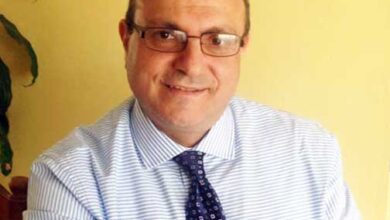
يروي بسام العنداري أنّ والدته كانت، في سنوات الحرب اللبنانية، تُدير مؤشّر المذياع كل صباح إلى إذاعة لندن، لتعرف ما يجري في العالم، لا في لبنان وحده. وقد حكى ذلك لمجلة «ذا سبكتيتر» البريطانية سنة 2018. وكان الابن يصغي معها إلى صوت لندن، قبل أن تمضي به الأيام إلى المؤسسة نفسها، لا مستمعًا هذه المرة، بل واحدًا من العاملين في صناعة أخبارها. أتوقف عند هذه الصورة طويلًا: أمّ تتابع العالم من مذياع بيتها، وابن إلى جانبها يصغي إلى صوت سيصير يومًا صوته.
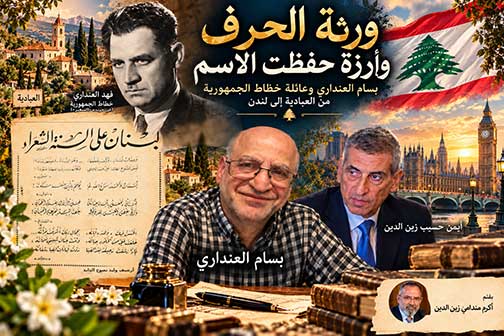
ليست كل ثروات لبنان مودعة في المصارف، ولا كل كنوزه مطمورة في الأرض. ففي بيوته ثروات من المعرفة والموهبة تتوارثها الأجيال. ومن هذه البيوت عائلة فهد العنداري، التي حملت من العبادية في جبل لبنان إرثًا امتد إلى الصحافة والشعر والرسم، وعبر البحر حتى وصل إلى لندن. وفي قلب هذه الحكاية يقف بسام. ولكل شجرة جذور، فلنبدأ منها.
ولد أبوه فهد قاسم العنداري سنة 1903، وتتلمذ في الخط على يد الشيخ نسيب مكارم، وفي الرسم على يد الفنان حبيب سرور. وفي الثالث والعشرين من أيار سنة 1934، وجّه إليه رئيس الجمهورية حبيب باشا السعد رسالة أجاز له فيها حمل لقب «خطاط الجمهورية اللبنانية»، «اعترافًا بحذقك وبراعتك»، كما جاء في نصها. وقد امتدت أعماله من عناوين الصحف والمجلات والكتب إلى لوحات زيّنت بيوت الرؤساء والوزراء، وعُيّن خبيرًا في الخطوط لدى المحاكم اللبنانية، فكانت تقاريره موضع ثقة القضاة والمحامين، ونال وسام المعارف من الدرجة الثانية سنة 1952، ووسام الاستحقاق اللبناني الفضي سنة 1954. لم تكن الحروف عنده أشكالًا جميلة فحسب، بل مهنة لها أصولها، وفنًا لا يستقيم من دون دقة وصبر واحترام. وإلى جانبه كانت الزوجة والمربية، الصابرة، الحافظة للأمانة.
فقد بسام والده سنة 1973 وهو طفل، فوجد في الكتب واللوحات التي تركها فهد مدرسةً أخرى، وراح يقلّد خطوطه حتى صار الخط حرفته، كما كان حرفة أبيه من قبل. وكان شقيقه بهيج، مصمّمُ حرف جريدة «الحياة» الذي صار من أكثر الحروف شيوعًا في الصحافة العربية، يصقل موهبة أخيه خلال زياراته من لندن إلى لبنان، ثم في لندن نفسها. وقد كتب بسام عن ذلك: «عند مجيئي إلى لندن سنة 1994 مكثت مدة عند أخي بهيج عنداري الذي كانت له عليّ أفضال كثيرة منها تحسين ذائقتي ومهارتي في الخط العربي». وعلى يديه تعلّم تصميم الحروف على الحاسوب، قبل أن يرحل بهيج سنة 2000. هكذا لم يكن إرث الأب مجرد اسم، بل معرفة يستعيدها الابن من آثار يدٍ غابت عنه باكرًا.
لكنْ لم يبقَ بسام في ظل اسم والده؛ فقد ترك الفن إلى الصحافة، ومضى ليكتب اسمه بعمله. التحق بهيئة الإذاعة البريطانية سنة 1994، وتدرّج في قسمها العربي حتى صار كبير محرري الأخبار في قسم جمع الأخبار والتخطيط، واستمرّ في منصبه إلى أن غادر المؤسسة سنة 2023، بعد قرابة ثلاثين عامًا. ومن يعرف غرف التحرير يدرك أن هذه المواقع لا تُقاس بألقابها وحدها، بل بما تفرضه من تدقيق في المصادر، ومسؤولية عن الكلمة التي تصل إلى الناس.
وظلّ القلم حاضرًا في حياته بأكثر من صورة. فقد جعل الكلمةَ أداةً للخبر، ومنحها في الشعر حياة أخرى، وله كتاب «لا شيء كانه الشعر» صادر عن دار الفارابي. ثم عاد إلى الفن الذي تركه شابًا، ففي سنة 2014 أسرته مناظر كورنوال في رحلة إليها، فأمسك الريشة وبدأ يرسم، ثم صارت لوحاته تُعرض في لندن وعلى منصة فنية دولية. فالصحافي يلتقط الوقائع، والشاعر يلتقط ما وراءها، والفنان يلتقط ما تعجز عنه الكلمات.
غير أنّ الذاكرة عادت لتطرق باب بسام من العبادية. فقد روى للصحافي محمود زيات كيف كانت بعض اللافتات التي خطها والده لا تزال قائمة في طفولته، ثم لم يبقَ منها إلا واحدة عند مدخل جمعية الهدى الاجتماعية. وكان يجد في رؤيتها عزاءً، إلى أن عاد في إحدى زياراته فاكتشف أنها اختفت واستُبدلت بها لافتةٌ حديثة، من دون أن يعرف القائمون على الجمعية مصير الأصل. وكتب بسام معبّرًا عن ألمه من إهمال إرث والده في بلدته.
وهنا لا أرى مجرد حزن ابن على أثر أبيه، بل سؤالًا يلاحقني كلما قرأت سيرة لبناني منح بلاده شيئًا من علمه وفنه، ثم وجدت أن ما تركه يكاد يضيع بين الإهمال والنسيان: لماذا نُهمل رجال الوطن؟ وكيف نحافظ على ذاكرتهم إذا كنا لا نعرف حتى أين ذهبت آثار أيديهم؟
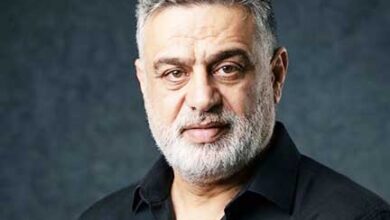
ووجدت كلمات بسام صداها عند رفيقه وصديق العائلة، أخي المهندس أيمن حسيب زين الدين، الذي بادر إلى اقتراح تخليد اسم فهد العنداري على إحدى أرزات غابة الباروك. ولم يكن هذا الوفاء غريبًا على أخي، فقد نشأنا في بيت كُتبت فيه الحروف على ضوء الشمعة. وهكذا ارتفع اسم فهد العنداري بين الأرز سنة 2014، فكأنّ الحرف الذي أفنى فهدٌ عمرَه في خدمته عاد ليحفظ اسمه. لم تستعد المبادرة ما فُقد، لكنها أعادت إلى الذاكرة بعض حقها، وأثبتت أن الوفاء لا يحتاج دائمًا إلى قرار من مؤسسة، بل إلى إنسان يعرف قيمة الأثر قبل أن يمحوه الزمن.
ولم ينحصر عطاء بيتٍ ضمّ عشرة أبناء وبنات في بسام وبهيج؛ فقد حملت هيفاء موهبتها إلى الشعر والزجل، وعُرفت نجاة بحضورها في العمل الاجتماعي في المتن الأعلى. لكل منهم طريقه، والجذر واحد.
أكتب عن بسام العنداري لأنني أرى فيه صورة من لبنان الذي أحب أن يعرفه العالم: لبنان الذي لا تختصره أزماته، ولم تكن عظمته قطّ في اتساع أرضه، بل في اتساع ما حمله أبناؤه إلى ما وراء البحار. ولعل أبسط الوفاء أن تعود نسخة من خط فهد العنداري إلى المدخل الذي عُلّقت عليه آخرُ لافتاته الباقية، فيعرف العابرون أن يدًا من العبادية كتبت يومًا للجمهورية كلها.
لقد مضى فهد، ورحل بهيج، وبقي بسام يحمل قلمه وريشته، ويضيف إلى حكاية العائلة فصلًا بتوقيعه. وذلك السؤال لا يفارق ضميري: لماذا نُهمل رجال الوطن؟ أطرحه لا لأنهم ينتظرون منا تكريمًا بعد رحيلهم، بل لأن الأجيال اللاحقة تستحق أن تعرف من سبقها، ومن ترك لها ما هو جدير بالبقاء.
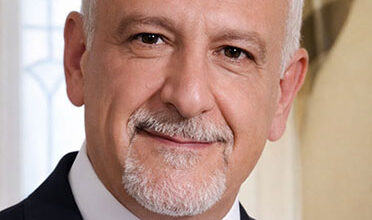
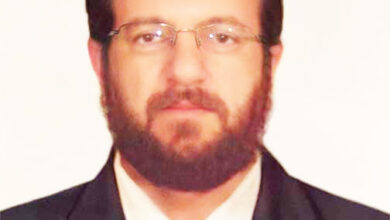
أما أنا، فأعود إلى قلمي ومحبرتي، وأتأمل ذلك الفتى الذي كان يصغي إلى صوت العالم من مذياع والدته، ثم أمضى عمرًا يشارك في نقل أخباره، قبل أن يعود إلى ألوانه وحروفه، كأن في داخله صفحات لم يحن أوان قراءتها بعد. وأفكر كم نعرف من الإنسان حين نقرأ سيرته، وكم يفوتنا منه ونحن نظن أننا عرفناه. فبعض الرجال لا تختصرهم المناصب التي شغلوها، ولا الآثار التي تركوها، ولا حتى الكلمات التي قالوها؛ ثمة شيء في أعماقهم لا تمنحه السنوات لأحد، ولا تستطيع الحروف، مهما بلغت براعة خطّاطها، أن ترسم حدوده. وربما عرف بسام من هذه المسافة بين ما يُرى وما لا يُقال أكثر مما نعرف نحن، لكنه يترك لنا، كلما أطلّ بوجهه الهادئ، شيئًا لا يحتاج إلى شرح، ولا يطلب من أحد أن يفهمه… ابتسامته.
——————-♡♡♡♡♡———————–
English
Heirs to the Script, and a Cedar That Kept the Name
Bassam Andari and the family of the Calligrapher of the Lebanese Republic, from Abadiyeh to London
By Akram MENDAME ZENEDDINE
‘My mother would switch the radio on to the BBC every morning to find out what was happening in the world, not just in Lebanon,’ Bassam Andari told The Spectator in 2018, recalling the years of the Lebanese war. The son would listen with her to the voice of London, before the years carried him to that same institution, no longer as a listener but as one of those who made its news. I linger long over this image: a mother following the world from the radio in her home, and beside her a son listening to a voice that would one day become his own.
Not all of Lebanon’s wealth is deposited in its banks, nor are all its treasures buried in its soil. Its homes hold a wealth of knowledge and talent, handed down through the generations. One such home is that of Fahd Andari, whose family carried from Abadiyeh, in Mount Lebanon, a legacy that reached into journalism, poetry, and painting, and crossed the sea until it arrived in London. At the heart of this story stands Bassam. Every tree has its roots, so let us begin with them.
His father, Fahd Qassem Andari, was born in 1903. He studied calligraphy under Sheikh Nassib Makarem and painting under the artist Habib Srour. On 23 May 1934, the President of the Republic, Habib Pasha al-Saad, sent him a letter authorising him, ‘in recognition of your skill and mastery’, to bear the title ‘Calligrapher of the Lebanese Republic’. His work ranged from the mastheads of newspapers and magazines and the titles of books to panels that adorned the homes of presidents and ministers.
He was appointed a handwriting expert to the Lebanese courts, where his reports earned the trust of judges and lawyers alike, and he was awarded the Order of Public Instruction, second class, in 1952, and the silver medal of the Lebanese Order of Merit in 1954. Letters were never, for him, merely beautiful shapes; they were a profession with its own canons, an art that cannot stand without precision, patience and reverence. At his side stood his wife, patient and faithful to the trust placed in her, who raised their children.
Bassam lost his father in 1973, as a child. In the books and panels Fahd left behind he found another school, and set about copying his father’s letterforms until calligraphy became his craft, as it had been his father’s before him. His brother Bahij, designer of the typeface of the newspaper Al-Hayat, a typeface that became one of the most widely used in the Arabic press, honed Bassam’s talent on his visits from London to Lebanon, and then in London itself. ‘When I came to London in 1994, I stayed for a while with my brother Bahij Andari, to whom I owe a great deal, not least the refinement of my taste and my skill in Arabic calligraphy,’ Bassam has written. It was from Bahij that he learned to design type on a computer, before Bahij’s death in 2000. The father’s legacy, then, was never merely a name, but knowledge the son recovered from the traces of a hand taken from him too soon.
Yet Bassam did not remain in the shadow of his father’s name. He left art for journalism, and went on to write his own name through his work. He joined the BBC in 1994 and rose through BBC Arabic to become Senior News Editor for Newsgathering and Planning, leaving the corporation in 2023 after almost thirty years. Anyone who knows a newsroom understands that such posts are not measured by their titles alone, but by what they demand: rigour in sourcing, and responsibility for every word that reaches the public.
The pen stayed with him in more than one form. He made the word an instrument of news, and gave it another life in poetry; he is the author of La Shay’ Kanahu al-Shi’r, published by Dar al-Farabi. Then he returned to the art he had left as a young man. In 2014, on a trip to Cornwall, he was captivated by its landscapes ; he took up the brush and began to paint, and his canvases have since been shown in London and on an international art platform. The journalist captures the facts, the poet what lies behind them, and the painter what words cannot hold.
But memory came knocking at Bassam’s door, from Abadiyeh. He told the journalist Mahmoud Zayyat how some of the signs his father had lettered were still standing when he was a child, until only one remained, at the entrance to the Al-Huda Social Association. He found consolation in the sight of it, until, on one of his visits, he discovered that it had vanished and been replaced by a modern sign, and that those in charge of the association did not know what had become of the original. Bassam wrote of his pain at the neglect of his father’s legacy in his hometown.
Here I see not merely a son’s grief over a trace of his father, but a question that pursues me whenever I read the life of a Lebanese who gave his country something of his learning and his art, and then find what he left all but lost to neglect and oblivion: why do we neglect those who served our nation? And how can we preserve their memory when we do not even know where the work of their hands has gone?
Bassam’s words found an echo in a friend of his and of the family, my brother, the engineer Ayman Hassib Zeineddine, who took it upon himself to propose that one of the cedars of the Barouk forest should bear Fahd Andari’s name. Such loyalty was nothing new to my brother: we grew up in a house where words were written by candlelight.
And so, in 2014, the name of Fahd Andari rose among the cedars, as though the script he had served all his life had come back to keep his name. The initiative could not restore what had been lost, but it gave back to memory something of its due, and proved that loyalty does not always require an institution’s decision; sometimes it needs only a human being who knows the worth of a trace before time erases it.
Nor were the gifts of a house of ten children confined to Bassam and Bahij. Their sister Hayfa carried her talent into poetry and zajal, the vernacular verse of Lebanon, and Najat, another sister, became known for her social work in the Upper Metn. Each of them took a different path ; the root is one.
I write about Bassam Andari because I see in him an image of the Lebanon I would like the world to know: a Lebanon not summed up by its crises, whose greatness never lay in the breadth of its land, but in the breadth of what its sons and daughters carried beyond its shores. Perhaps the simplest act of loyalty would be for a copy of Fahd Andari’s lettering to return to the entrance that held the last of his surviving signs, so that all who pass may know that a hand from Abadiyeh once wrote for the whole Republic.
Fahd has gone, Bahij has departed, and Bassam remains, carrying his pen and brush and adding a chapter to the family’s story that bears his own signature. And the question never leaves my conscience: why do we neglect those who served our nation? I ask it not because they await our tribute now that they are gone, but because the generations that follow deserve to know who came before them, and who left them something worth preserving.
As for me, I return to my pen and my inkwell, and think of that boy who listened to the voice of the world from his mother’s radio, then spent a lifetime helping to relay its news, before returning to his colours and his letters, as though there were pages within him whose time to be read had not yet come. And I wonder how much we know of a person when we read his life, and how much of him escapes us while we believe we have understood him.
Some men cannot be reduced to the posts they held, the traces they left, or even the words they spoke; something in their depths the years surrender to no one, and no letters can trace its bounds, however masterful the hand that draws them. Perhaps Bassam knows more than we do about this distance between what is seen and what goes unsaid; yet whenever his calm face appears, he leaves us something that needs no explanation, and asks no one to understand it: his smile, true to a name that in Arabic means ‘the one who smiles’.
* مستشار وخبير في الشؤون الاستراتيجية والتنمية الاقتصادية